



How New Technology Is Changing Everyday Life in 2026 | Future Tech Trends
In 2026, How New Technology Is Changing Everyday Life. Technology has become deeply connected to human life. Artificial Intelligence, smart devices, automation, wearable health technology, and virtual communication are changing how people work, study, communicate, travel, and even think.
Table Of Content
- The Rise of AI Agents: Your Personal Digital Assistant
- How AI Is Changing Work and Creativity
- Smart Homes Are Becoming Fully Intelligent in 2026
- Predictive Automation: Homes That Understand Your Routine
- Smart homes automatically adjust
- AI Security Systems: Smarter Protection for Modern Homes
- AI security systems can
- Smart Kitchens: Intelligent Cooking and Food Management
- Smart kitchens can
- Healthcare Technology Is Becoming Predictive in 2026
- Wearable Technology Is Smarter Than Ever
- AI in Medical Diagnostics
- Telemedicine and Remote Healthcare
- Digital Wellness and Mental Health Awareness
- The Rise of Digital Minimalism
- Education Technology Is Revolutionizing Learning
- AI-Powered Personalized Learning
- Virtual Reality and Immersive Education
- Online Learning and Global Education Access
- Communication Technology Is Removing Global Barriers
- Real-Time Language Translation
- Spatial Communication and Virtual Presence
- The Future of Work Is Digital and Flexible
- Remote Work and Virtual Offices
- The Rise of the Skills-Based Economy
- Growth of Freelancing and Digital Entrepreneurship
- Green Technology and Sustainable Innovation Are Growing Fast
- Smart Cities and Renewable Energy
- Circular Technology and Eco-Friendly Devices
- Cybersecurity and Digital Privacy Challenges
- The Growing Data Privacy Problem
- AI-Powered Cybersecurity Systems
- The Rise of Privacy-Focused Technology
- Conclusion: Technology Is Reshaping Human Life
- Frequently Asked Questions (FAQs)
- 1. How is new technology changing everyday life in 2026?
- 2. What are the biggest technology trends in 2026?
- 3. Is AI replacing human jobs?
- 4. How do smart homes work?
- 5. Why is cybersecurity important in 2026?
- 6. What are the best tech skills to learn in 2026?
Imagine waking up in a world where your alarm clock understands your sleep cycle, your coffee machine prepares your favorite drink automatically, and your AI assistant organizes your entire day before you even touch your phone.
This is not science fiction anymore.
Technology is no longer just about gadgets. It is now an invisible system working quietly in the background to make life faster, easier, healthier, and more connected.
In this complete guide, we will explore the latest technology trends in 2026 and how they are transforming everyday life across the world.

The Rise of AI Agents: Your Personal Digital Assistant
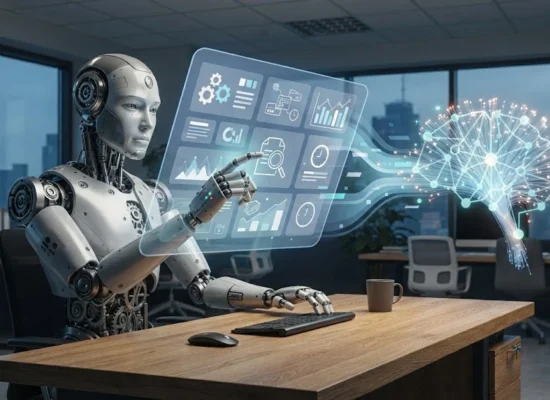
Artificial Intelligence has evolved dramatically over the last few years. In 2026, people are no longer using simple chatbots. Instead, AI Agents are becoming personal digital assistants capable of handling complex tasks independently.
These AI systems can:
- Manage schedules
- Reply to emails
- Organize meetings
- Analyze work data
- Generate content
- Handle customer support
- Automate repetitive tasks
Unlike older AI systems, modern AI agents learn user behavior and make decisions proactively. They can predict needs before users even ask for help.

How AI Is Changing Work and Creativity
Businesses now use AI to automate office tasks, allowing employees to focus on creative and strategic work. AI tools are helping marketers create campaigns, designers generate concepts, and writers produce content much faster.
Students also benefit from AI-powered learning assistants that provide personalized study support 24/7.
In 2026, the people succeeding the most are not replacing themselves with AI — they are learning how to work alongside it.
Smart Homes Are Becoming Fully Intelligent in 2026
Smart homes in 2026 are no longer just modern conveniences or voice-controlled devices. They have evolved into fully intelligent living ecosystems powered by Artificial Intelligence (AI), advanced sensors, and smart automation technologies.
Unlike earlier smart systems that only responded to commands, today’s smart homes actively learn from human behavior, predict needs, and automatically manage daily household activities. This shift is making everyday life more comfortable, efficient, secure, and energy-friendly.
Modern smart homes are designed to reduce human effort while increasing personalization. Every connected device inside the home communicates with each other through IoT (Internet of Things), creating a seamless digital environment that adapts to the user’s lifestyle.

Predictive Automation: Homes That Understand Your Routine
One of the most powerful features of smart homes in 2026 is predictive automation. Instead of waiting for instructions, the system observes patterns in daily life and automatically makes adjustments.
Smart homes continuously analyze data such as waking time, sleeping habits, room usage, temperature preferences, and daily activities. Over time, the system becomes more accurate and personalized.
Smart homes automatically adjust:
- Lighting: Brightness changes according to time of day, mood, or activity
- Room temperature: Heating or cooling adjusts based on weather and comfort level
- Music & entertainment: Playlists are selected based on activity (work, relaxation, sleep)
- Security settings: Automatically switch modes when you leave or arrive home
- Appliance settings: Devices run at optimal times to save energy
For example, when a user wakes up, the house may slowly increase lighting, start the coffee machine, adjust room temperature, and even display the day’s schedule on a smart screen.
This level of automation saves time and creates a smooth, stress-free living experience.

AI Security Systems: Smarter Protection for Modern Homes
Home security in 2026 has become much more advanced due to AI integration. Traditional CCTV systems have been replaced with intelligent AI security networks that can analyze and respond to real-time situations.
These systems are not just recording devices—they are active monitoring tools that understand behavior patterns.
AI security systems can:
- Recognize family members using facial recognition
- Detect unknown or suspicious individuals
- Monitor unusual movement patterns around the home
- Send instant alerts to mobile phones or smart devices
- Trigger automatic alarms or emergency notifications
For example, if someone unfamiliar approaches the house at night, the system can immediately alert the homeowner, activate lights, and notify security services if needed.
This creates a higher level of safety, making homes more secure and responsive than ever before.

Smart Kitchens: Intelligent Cooking and Food Management
Smart kitchens have become a major innovation in modern homes. In 2026, kitchens are no longer just cooking spaces—they are AI-powered food management systems.
These systems use sensors, cameras, and AI algorithms to simplify cooking and improve nutrition.
Smart kitchens can:
- Suggest recipes based on available ingredients
- Track grocery items automatically
- Monitor food expiry dates and reduce waste
- Create smart shopping lists
- Recommend healthy meals based on diet goals
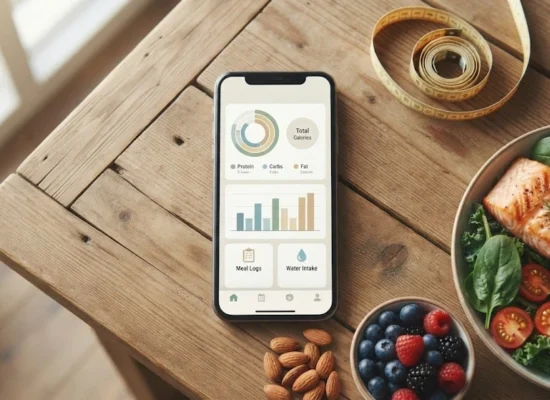
Some advanced systems are even connected to fitness apps and health trackers. This allows the kitchen to recommend meals based on calorie needs, medical conditions, or fitness plans.
For example, if someone is trying to lose weight, the system may suggest low-calorie recipes and automatically adjust portion sizes.
Smart kitchens are making cooking easier, healthier, and more efficient for families.

Wearable Technology Is Smarter Than Ever
Modern wearable devices can monitor:
- Heart rate
- Sleep quality
- Stress levels
- Blood oxygen
- Hydration
- Blood sugar
- Mental fatigue
These devices provide real-time health insights that help users improve lifestyle habits and prevent illness.
AI in Medical Diagnostics
Artificial Intelligence is transforming healthcare by analyzing:
- X-rays
- MRIs
- Blood tests
- Medical scans
with incredible accuracy.
Doctors now use AI systems to detect diseases earlier and create more personalized treatment plans.
Telemedicine and Remote Healthcare
Patients can now consult doctors from anywhere using advanced telemedicine platforms. This is especially beneficial for people living in remote areas with limited healthcare access.
Technology is making healthcare faster, smarter, and more accessible globally.
Digital Wellness and Mental Health Awareness
One surprising trend in 2026 is the rise of digital wellness and intentional technology use.
As people spend more time online, many experience:
- Screen fatigue
- Information overload
- Social media burnout
- Mental exhaustion
The Rise of Digital Minimalism
People are now using:
- Focus modes
- Notification blockers
- Screen-time management apps
- Digital detox routines
to improve mental health and productivity.
Technology companies are also introducing wellness features to help users maintain healthier digital habits.
In 2026, being constantly online is no longer considered productive. Maintaining balance and mental well-being has become the new priority.

Education Technology Is Revolutionizing Learning
Technology is completely transforming education systems in 2026. Traditional classrooms are evolving into personalized digital learning environments.
AI-Powered Personalized Learning
AI learning platforms analyze student performance and customize lessons according to:
- Learning speed
- Weak subjects
- Interests
- Understanding levels
This helps students learn more effectively.
Virtual Reality and Immersive Education
Virtual Reality (VR) and Augmented Reality (AR) allow students to:
- Explore historical events
- Conduct virtual experiments
- Experience interactive science lessons
- Visit digital museums
These immersive experiences improve student engagement and knowledge retention.
Online Learning and Global Education Access
Digital learning platforms now provide affordable education to millions worldwide. Students can access professional courses, certifications, and university programs from home.
Education technology is creating more equal learning opportunities across the globe.

Communication Technology Is Removing Global Barriers
Communication technology has become more advanced, immersive, and intelligent in 2026.
Real-Time Language Translation
AI-powered earbuds and translation systems now allow people speaking different languages to communicate instantly.
You can speak Urdu while another person speaks Spanish, and both users hear translations in real time.
This innovation is transforming:
- International business
- Tourism
- Online education
- Global collaboration
Spatial Communication and Virtual Presence
Video calls are evolving into immersive 3D experiences with:
- Spatial audio
- Holographic displays
- Digital avatars
Virtual communication now feels closer to real-life interaction than ever before.
The Future of Work Is Digital and Flexible
Technology has completely changed how people work in 2026.
Remote Work and Virtual Offices
Companies now hire talent globally instead of focusing only on local employees. Cloud platforms and collaboration tools allow teams to work together from different countries.
Remote work has increased flexibility, productivity, and work-life balance for millions of professionals.
The Rise of the Skills-Based Economy
Businesses now prioritize practical skills over traditional degrees.
The most in-demand skills in 2026 include:
- AI Prompt Engineering
- Cybersecurity
- Digital Marketing
- Content Creation
- Data Analysis
- Automation Management
Growth of Freelancing and Digital Entrepreneurship
Technology platforms allow people to:
- Sell digital products
- Offer remote services
- Build online businesses
- Create content globally
The digital economy is creating endless opportunities for freelancers and entrepreneurs.
Green Technology and Sustainable Innovation Are Growing Fast
Environmental sustainability has become a major focus in the technology industry.
Smart Cities and Renewable Energy
Modern cities now use AI systems to:
- Optimize traffic flow
- Reduce electricity waste
- Improve transportation
- Monitor pollution levels
Electric vehicles and renewable energy systems continue to expand globally.
Circular Technology and Eco-Friendly Devices
Technology companies are now designing recyclable gadgets and sustainable products to reduce electronic waste.
Green coding practices also help lower internet energy consumption by improving software efficiency.
Sustainable technology is no longer optional — it has become essential for the future.

Cybersecurity and Digital Privacy Challenges
As technology becomes more connected, privacy and cybersecurity risks are increasing.
The Growing Data Privacy Problem
How New Technology Is Changing Everyday Life: Smart devices collect massive amounts of personal information, including:
- Health data
- Location history
- Online activity
- Shopping behavior
This raises serious concerns about user privacy and data protection.
AI-Powered Cybersecurity Systems
Businesses now use AI security systems to detect:
- Hacking attempts
- Online scams
- Data breaches
- Fraudulent activity
in real time.
The Rise of Privacy-Focused Technology
Many companies are now developing privacy-preserving AI systems that process data directly on devices instead of cloud servers.
Digital security has become one of the most important technology discussions in 2026.
Trending SEO Keywords: cybersecurity 2026, digital privacy, AI security systems, online safety trends
Conclusion: Technology Is Reshaping Human Life
Technology in 2026 is transforming nearly every aspect of daily life. Artificial Intelligence, smart homes, healthcare innovation, communication technology, and digital workplaces are making the world more connected and efficient.
At the same time, challenges like cybersecurity risks, digital privacy concerns, and mental health issues continue to grow.
The future of technology ultimately depends on how humans choose to use it. Technology itself is only a tool — its impact depends on the people controlling it.
Understanding modern technology is no longer optional. It has become an essential skill for education, careers, business, and everyday life.
The future is already here — and it is evolving faster than ever before.
Frequently Asked Questions (FAQs)
1. How is new technology changing everyday life in 2026?
Technology is improving daily life through AI assistants, smart homes, wearable devices, automation, faster communication, and personalized healthcare systems.
2. What are the biggest technology trends in 2026?
The biggest trends include Artificial Intelligence, smart homes, wearable health technology, virtual reality, cybersecurity, green technology, and remote work systems.
3. Is AI replacing human jobs?
AI is automating repetitive tasks, but it is also creating new career opportunities in AI management, digital marketing, cybersecurity, and technology development.
4. How do smart homes work?
Smart homes use connected devices, sensors, and AI systems to automate lighting, temperature, security, and appliances based on user behavior.
5. Why is cybersecurity important in 2026?
As more devices connect online, protecting personal data and preventing cyberattacks has become essential for individuals and businesses.
6. What are the best tech skills to learn in 2026?
Top skills include:
- AI Prompt Engineering
- Data Analysis
- Cybersecurity
- Content Creation
- Automation Tools
- Digital Marketing
Stay connected with AIVoraLifee.com for more updates on the latest technology trends, AI innovations, and future digital transformations shaping everyday life in 2026.




No Comment! Be the first one.