

AI Sleep Coach: How to Fix Your Sleep With AI in 2026 (Complete Guide)
Are you lying awake at 2 AM staring at the ceiling, wondering why you cannot fall asleep no matter what you try?
Table Of Content
- What Is an AI Sleep Coach?
- How Is AI Sleep Coaching Different From Regular Sleep Tracking?
- How Does an AI Sleep Coach Work?
- Step 1: Data Collection (The Sensors)
- Step 2: AI Analysis (The Learning Model)
- Step 3: Personalized Coaching (The Feedback Loop)
- Top 5 AI Sleep Tools in 2026
- 1. Sleep Cycle — Best Free AI Sleep App
- 2. Oura Ring — Best AI Wearable for Sleep
- 3. Sleepi — Best AI Sleep Coach App
- 4. Whoop — Best for Athletes
- 5. SLIIIP — Best for Medical-Grade Sleep Coaching
- How to Set Up Your AI Sleep System Tonight
- Step 1: Download Sleep Cycle (Free)
- Step 2: Set a Consistent Sleep Goal
- Step 3: Track for 7 Nights Without Changing Anything
- Step 4: Identify Your Biggest Sleep Enemy
- Step 5: Make One Small Change at a Time
- Step 6: Upgrade Your Setup (Optional)
- 7 Sleep Mistakes AI Can Detect That You Would Never Notice
- AI Sleep Coaching and Your Mental Health
- Common Questions About AI Sleep Coaching
- Final Thoughts: Your Best Sleep Starts Tonight
You are not alone.
According to health experts, over 1 billion people worldwide suffer from some form of sleep disorder. Poor sleep is linked to weight gain, anxiety, weak immunity, and even heart disease. But in 2026, there is finally a solution that is smarter than any sleeping pill or generic advice: the AI sleep coach.
Artificial intelligence has quietly revolutionized how we sleep. From wearable rings that track your oxygen levels to mobile apps that coach you through personalized bedtime routines — AI is now your 24/7 sleep expert.
In this complete guide, you will learn:
- What an AI sleep coach actually is
- How it works (step by step)
- The best AI sleep tools available in 2026
- How to set up your own AI sleep system tonight
- Common sleep mistakes AI can detect that humans miss
Let’s fix your sleep — for good.
What Is an AI Sleep Coach?
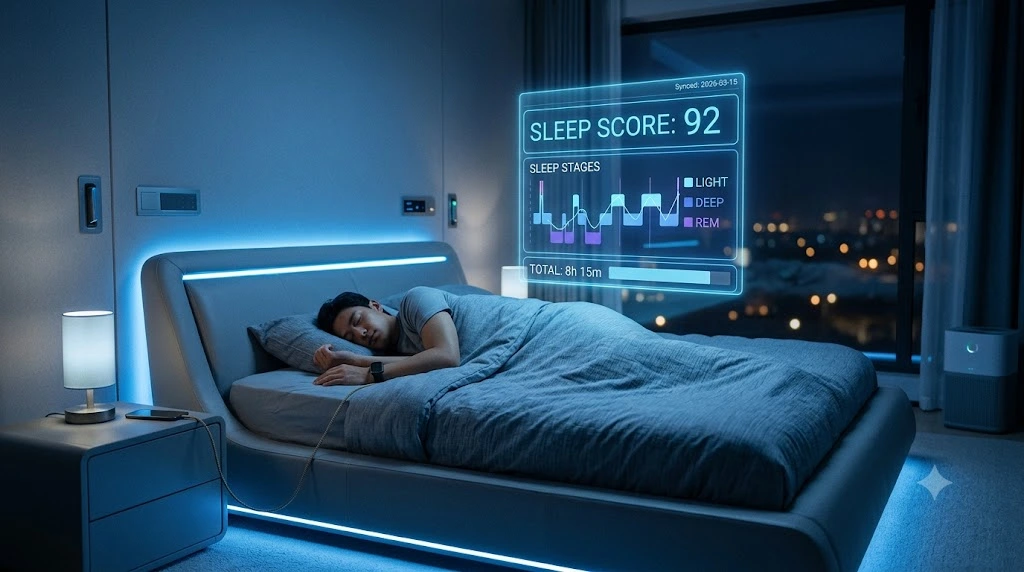
An AI sleep coach is a technology-powered system that monitors your sleep patterns, analyzes your data, and gives you personalized recommendations to improve your sleep quality.
Unlike a generic “sleep tips” article you find on Google, an AI sleep coach learns your body. It studies your heart rate, breathing patterns, room temperature, stress levels, and sleep cycles — then builds a custom plan just for you.
Think of it as having a world-class sleep doctor available on your phone or wrist, 24 hours a day, 7 days a week — for free or at a very low cost.
How Is AI Sleep Coaching Different From Regular Sleep Tracking?
Most people confuse sleep tracking with sleep coaching. Here is the key difference:
| Feature | Sleep Tracker | AI Sleep Coach |
|---|---|---|
| Records data | ✅ Yes | ✅ Yes |
| Shows charts | ✅ Yes | ✅ Yes |
| Gives personalized advice | ❌ No | ✅ Yes |
| Learns from your habits | ❌ No | ✅ Yes |
| Suggests daily changes | ❌ No | ✅ Yes |
| Improves over time | ❌ No | ✅ Yes |
A regular tracker just shows you data. An AI sleep coach acts on that data and tells you exactly what to change.
How Does an AI Sleep Coach Work?
Understanding the technology behind AI sleep coaching helps you use it better. Here is a simple breakdown of how it works:
Step 1: Data Collection (The Sensors)
The AI needs raw data to work with. This comes from:
- Wearable devices — smartwatches, rings (like Oura Ring), and fitness bands track heart rate, body temperature, movement, and blood oxygen levels throughout the night
- Smartphone microphones — some apps use your phone’s microphone to detect snoring, breathing irregularities, and sleep talking
- Under-mattress sensors — devices placed under your mattress can track movement and breathing without wearing anything
- Manual input — you can also tell the app when you had caffeine, exercised, felt stressed, or ate a late meal
Step 2: AI Analysis (The Learning Model)
Once the data is collected, the AI compares your sleep patterns against millions of other sleep records. It identifies:
- Which sleep stage do you spend the most time in (light, deep, or REM)
- What time does your body naturally want to fall asleep
- What activities during the day hurt your sleep at night
- Whether you have signs of sleep apnea or insomnia
- How your sleep changes with stress, exercise, or diet
The more nights you track, the smarter the AI gets about your specific body.
Step 3: Personalized Coaching (The Feedback Loop)
This is where the magic happens. Instead of just showing you confusing charts, an AI sleep coach translates all that data into one clear next step. For example:
- “You had coffee at 4 PM yesterday, and your deep sleep dropped by 40%. Try cutting off caffeine before 2 PM today.”
- “Your body temperature rises before 11 PM. Your ideal sleep window is 10:30 PM to 6:30 AM.”
- “You slept 45 minutes less on days you skipped exercise. A 20-minute walk can improve your sleep tonight.”
These personalized nudges are what make AI sleep coaching so powerful.
Top 5 AI Sleep Tools in 2026
Here are the best AI-powered sleep tools you can start using today:
1. Sleep Cycle — Best Free AI Sleep App
Platform: iOS and Android
Price: Free (premium available)
Sleep Cycle is one of the world’s most downloaded sleep apps with over 40 million users. Its AI sleep coach, called Luma, analyzes your sleep sounds and patterns every night. It uses your phone’s microphone to detect snoring, coughing, and sleep talking — then gives you a detailed morning report.
Best for: Beginners who want to start tracking sleep without buying any hardware.
Key Features:
- Smart alarm that wakes you at your lightest sleep stage
- Daily sleep score with explanation
- Snore detection and tracking
- Personalized sleep improvement tips
2. Oura Ring — Best AI Wearable for Sleep
Platform: iOS and Android (requires Oura Ring hardware)
Price: Ring starts at $299, app subscription $5.99/month
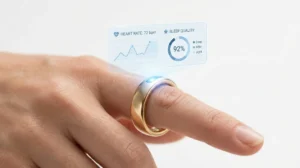
The Oura Ring is a small, stylish ring worn on your finger that tracks everything — heart rate, body temperature, blood oxygen, and movement — all night long. Its AI then builds your Readiness Score, telling you exactly how recovered your body is each morning.
Best for: People serious about optimizing sleep and recovery who want medical-grade accuracy.
Key Features:
- Advanced sleep stage tracking (light, deep, REM)
- Body temperature deviation alerts
- Personalized sleep timing recommendations
- Integration with other health apps
3. Sleepi — Best AI Sleep Coach App
Platform: iOS and Android
Price: Free trial available
Sleepi is a dedicated AI sleep coaching app that connects your sleep data with your exercise and diet habits. It is one of the few apps that takes a truly holistic approach — understanding that what you eat and how you move directly affects how you sleep. When your travel or schedule disrupts your rhythm, the AI recalibrates your recommendations instantly.
Best for: Athletes and fitness-focused individuals who want to optimize sleep for recovery.
Key Features:
- Connects sleep, nutrition, and exercise data
- Real-time adjustments when your routine changes
- AI-powered bedtime routines
- Jet lag recovery protocols
4. Whoop — Best for Athletes
Platform: iOS and Android (requires Whoop band)
Price: $30/month (includes hardware)
Whoop is the favorite sleep and recovery tracker among professional athletes and fitness enthusiasts. Its AI analyzes your Strain (how hard you worked) and Recovery (how well you slept) to tell you exactly how hard you should push yourself each day.
Best for: Gym-goers and athletes who want to align their training with their sleep recovery.
Key Features:
- Detailed sleep performance breakdown
- Recovery score that guides training intensity
- Coaches you on optimal sleep and wake times
- Tracks respiratory rate throughout the night
5. SLIIIP — Best for Medical-Grade Sleep Coaching
Platform: Web and app
Price: Varies by plan
SLIIIP is a professional sleep coaching platform that combines AI analysis with real board-certified sleep physicians. It is perfect if you suspect you have serious sleep issues like sleep apnea or chronic insomnia that need more than just app advice.
Best for: People with diagnosed or suspected sleep disorders who need professional support plus AI tools.
Key Features:
- AI analysis plus access to sleep doctors
- Home sleep apnea testing
- Exportable sleep reports for medical appointments
- Cognitive Behavioral Therapy for Insomnia (CBT-I) programs
How to Set Up Your AI Sleep System Tonight
You do not need expensive equipment to get started. Here is a simple step-by-step plan:
Step 1: Download Sleep Cycle (Free)
Start with the free Sleep Cycle app. Place your phone face down on your nightstand or mattress. Enable microphone permissions so it can track your breathing and movement.
Step 2: Set a Consistent Sleep Goal
Tell the app your target wake time. The AI will work backward to calculate your ideal bedtime based on your natural sleep cycles.
Step 3: Track for 7 Nights Without Changing Anything
For the first week, just track. Do not try to change your habits yet. Let the AI collect baseline data about your current sleep patterns.
Step 4: Identify Your Biggest Sleep Enemy
After 7 nights, the app will show you patterns. Common culprits include:
- Late caffeine consumption
- Screen time before bed
- Irregular sleep times on weekends
- Late exercise sessions
- Stress and anxiety spikes
Step 5: Make One Small Change at a Time
The biggest mistake people make is trying to fix everything at once. The AI will suggest the single highest-impact change for your specific situation. Start there. Give it 7 days, then move to the next suggestion.
Step 6: Upgrade Your Setup (Optional)
Once you are serious about sleep optimization, consider investing in a wearable like the Oura Ring or Whoop band for more accurate data and deeper insights.
7 Sleep Mistakes AI Can Detect That You Would Never Notice
This is where AI sleep coaching truly shines. Here are seven hidden sleep mistakes the technology can catch:
1. Social Jetlag This happens when your sleep times on weekends are 2+ hours different from weekdays. Most people do not realize that this destroys their sleep quality all week. AI tracks this pattern and alerts you.
2. Caffeine Sensitivity Windows: Everyone metabolizes caffeine differently. AI can identify exactly how many hours before bed caffeine affects your sleep — not just the generic advice of “no coffee after 2 PM.”
3. Room Temperature Problems Your body needs to drop in temperature to fall into deep sleep. AI-connected smart thermostats or manual temperature logging can identify if your room is too warm for your specific biology.
4. Pre-Sleep Heart Rate Elevation If your heart rate is still high when you go to bed — from exercise, stress, or a large meal — AI can detect this and tell you to add a wind-down routine before bed.
5. Alcohol-Disrupted REM Sleep. Even one or two drinks significantly reduces REM sleep. Most people feel like they slept well after drinking, but AI reveals the actual drop in sleep quality that leaves you groggy the next morning.
6. Exercise Timing Issues Working out too close to bedtime raises your core temperature and heart rate, making it harder to fall asleep. AI can identify your personal cutoff time based on how your body responds.
7. Irregular Melatonin Windows AI sleep coaches can detect when your body naturally starts producing melatonin based on your heart rate and temperature data. This helps you time your bedtime perfectly instead of guessing.
AI Sleep Coaching and Your Mental Health
Poor sleep and mental health are deeply connected. Research consistently shows that sleep deprivation worsens anxiety, depression, and emotional regulation. What makes AI sleep coaching unique in 2026 is that many platforms now integrate mental wellness tracking alongside physical sleep data.
Apps like Sleepi and Sleep Cycle ask you for daily mood check-ins. The AI then correlates your emotional state with your sleep data — revealing patterns like:
- Anxiety spikes that predict poor sleep the following night
- How poor sleep compounds stress the next day
- Which relaxation techniques actually work for your specific sleep patterns
This holistic approach means your AI sleep coach is not just fixing your nights — it is improving your entire day.
Common Questions About AI Sleep Coaching
Is AI sleep tracking accurate?
Modern AI sleep trackers are highly accurate for detecting sleep stages and identifying patterns. Wearable devices like the Oura Ring are close to medical-grade accuracy. Smartphone-only tracking is less precise but still valuable for identifying trends over time.
Is my sleep data private?
This is an important question to ask before using any sleep app. Always check the app’s privacy policy. Look for apps that offer local data storage, do not sell your data to third parties, and allow you to export or delete your information.
How long until I see results?
Most people notice improvements within 2 to 4 weeks of consistently following their AI sleep coach recommendations. The key is consistency — tracking every night and making one change at a time.
Can AI sleep coaching replace a sleep doctor?
For most people with general sleep challenges, AI coaching provides significant improvement without needing professional medical help. However, if you have symptoms of serious conditions like sleep apnea, chronic insomnia, or narcolepsy, please consult a qualified sleep physician. Platforms like SLIIIP offer the best of both worlds.
Do I need expensive equipment?
No. You can start with completely free apps like Sleep Cycle using only your smartphone. Upgrading to a wearable device provides more accurate and detailed data, but it is not required to benefit from AI sleep coaching.
Final Thoughts: Your Best Sleep Starts Tonight
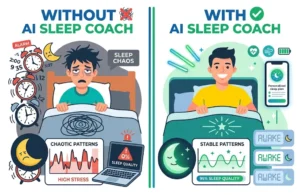
Poor sleep is not just about feeling tired. It affects your weight, your mood, your productivity, your relationships, and your long-term health. In 2026, we will finally have technology that can decode the mystery of your unique sleep patterns and tell you exactly what to fix.
An AI sleep coach is no longer a luxury for elite athletes and Silicon Valley executives. It is accessible to everyone, often for free, right on your smartphone.
Here is your action plan starting tonight:
- Download Sleep Cycle (free) from the App Store or Google Play
- Place your phone on your nightstand and enable all permissions
- Track your sleep for 7 nights without changing anything
- Review your first insights and make the single change your AI coach recommends
- Stay consistent and watch your sleep — and your entire life — transform
Your best sleep is not in the past. It is waiting for you tonight.
Did you find this guide helpful? Share it with someone who needs better sleep! And explore more AI health and fitness guides right here at Aivora Life.






No Comment! Be the first one.