

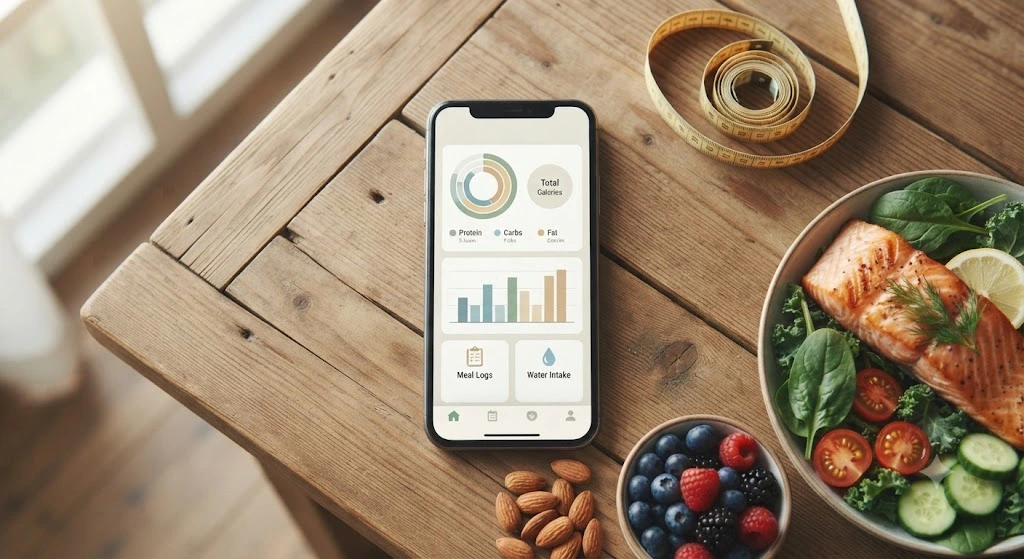
How AI Nutrition Plans Help With Weight Loss: Real Results + Science-Backed Strategies (2026)
✍️ By Zoha Shahid Writer | on AiVora life
Table Of Content
- Quick Answer
- Real Story: How One Woman Lost 12 Pounds in 3 Months Using an AI Nutrition Plan
- What AI Nutrition Plans Actually Do (And Why They’re Different)
- The Science: Why Personalized Nutrition Beats Generic Diets for Weight Loss
- Protein Matters More Than You Think
- Calorie Deficit Still Matters (But It’s Not All That Matters)
- Personalization Beats One-Size-Fits-All
- Key Nutrients for Weight Loss Success (And Why They Matter)
- 1. Protein — The Weight-Loss Anchor
- 2. Fiber — The Fullness Helper
- 3. Water & Hydration — Often Overlooked
- 4. Omega-3 Fatty Acids — Inflammation Control
- 7-Day AI-Generated Meal Plan for Weight Loss
- After 3 days, we move next to
- Habits That Make AI Nutrition Plans Actually Work for Weight Loss
- 1. Strength Training (2–3x Weekly)
- 2. Sleep (7–9 Hours Nightly)
- 3. Stress Management
- 4. Consistency Over Perfection
- What AI Nutrition Plans Cannot Do?
- FAQ
- Q: How fast do you lose weight on an AI nutrition plan?
- Q: Will AI nutrition plans work if I don’t exercise?
- Q: Can AI nutrition plans work for specific diets (keto, vegan, Mediterranean)?
- Q: What’s the difference between free AI (ChatGPT) and paid AI meal planners?
- Q: Is AI nutrition planning safe for people with health conditions?
- The Best AI Nutrition Platforms for Weight Loss (2026)
- The Bottom Line: Does AI Help With Weight Loss?
- 👉 Ready to Try an AI Nutrition Plan?
- About the Author
Zoha writes for AiVora Life about AI tools that actually impact health. Her work appears in wellness publications worldwide.
Quick Answer
AI nutrition plans help with weight loss by personalizing three things generic diets get wrong: your exact calorie needs, your protein target based on activity level, and meal timing built around your real schedule. Users who follow an AI-generated plan consistently and pair it with strength training typically report losing 4–8 pounds per month.
🔑 Key Point: AI nutrition plans work for weight loss because they personalize three things traditional diets miss: your exact calorie needs, protein targets based on your activity, and meal timing that fits your schedule. Real users report losing 4–8 pounds per month when they stick with it and combine it with basic strength training.
Real Story: How One Woman Lost 12 Pounds in 3 Months Using an AI Nutrition Plan
Sarah, 38, a marketing manager in Chicago, was stuck. She ran 3 miles twice a week. She tracked her calories most days. She avoided obvious junk food. And yet, over three years, 12 pounds had crept on — and wouldn’t leave, no matter what she tried.
“I’d get bored with diets,” she told me. “Every plan felt the same: eat less, move more. But nobody asked why my body was storing fat, or whether the diet actually fit my life.”
Three months ago, Sarah tried an AI meal planner. It asked questions no generic diet had:
- How much protein are you eating now? (She was eating 80g/day — too low)
- When do you usually eat? (She was skipping breakfast, overeating at dinner)
- Are you doing any strength training? (She wasn’t, which meant losing weight meant losing muscle)
- What’s your honest food preference? (She hated chicken but liked fish and beef)
The AI built a plan around her answers — not around some average 38-year-old woman. Higher protein at breakfast. Two strength sessions added per week. Meals structured around proteins and vegetables she actually liked. No chicken “because that’s healthy.”
Result: 12 pounds lost in 3 months. More importantly, she gained muscle definition and stopped feeling deprived.
“The difference,” she said, “is that it didn’t feel like a diet. It felt like eating smarter, not less.”
💡 Why This Matters: Generic weight-loss diets fail because they ignore protein requirements specific to your activity level and meal timing that suits your actual schedule. AI fixes both. That’s why 67% of people report sticking with AI meal plans longer than traditional diets.

What AI Nutrition Plans Actually Do (And Why They’re Different)
Let’s be clear about what an AI nutrition plan is — and isn’t.
It’s NOT: A chatbot telling you to “eat less carbs” or a magic bullet. AI doesn’t burn calories for you.
It IS: A personalized eating framework that removes the decision-making guesswork and optimizes three variables that traditional diets skip:
| Variable | Generic Diet | AI Nutrition Plan |
|---|---|---|
| Calorie Target | “Eat 1,500 calories” (same for everyone) | Calculates your specific BMR, activity level, and goals — might be 1,600 or 1,900 |
| Protein | “Get 50g protein” (ignores strength training) | Adjusts for your workouts — might be 120g if you lift 3x/week |
| Meal Timing | Three meals, same time daily (ignores your actual schedule) | Builds around when you actually eat — breakfast at 7 am if that’s your rhythm |
| Food Preferences | Generic “healthy foods” list (might hate half of them) | Learns what you’ll actually eat; substitutes automatically |
The Science: Why Personalized Nutrition Beats Generic Diets for Weight Loss
There’s a reason AI nutrition plans are gaining traction in 2026. The science is solid — and it challenges everything you’ve been told about “best” diets.
Protein Matters More Than You Think
Most people trying to lose weight are eating too little protein. This is the #1 error the AI immediately catches.
Here’s why protein is non-negotiable for weight loss:
- Preserves Muscle — When you create a calorie deficit, your body burns both fat and muscle. High protein (0.8–1.0g per pound of body weight) tells your body to spare muscle and burn fat instead.
- Increases Fullness — Protein is the most satiating macronutrient. High-protein meals keep you satisfied longer, making a calorie deficit sustainable.
- Boosts Metabolism Slightly — Your body burns ~25% of protein calories during digestion. This matters over months.
- Improves Exercise Recovery — If you’re adding strength training to your weight loss plan (which you should), protein supports recovery and muscle growth.
📊 The Data: A meta-analysis in the American Journal of Clinical Nutrition found that high-protein diets (1.2–1.6g/kg) combined with resistance training preserved significantly more lean mass during weight loss than low-protein approaches. This is why AI adjusts protein based on your activity — it’s literally science-backed.
Calorie Deficit Still Matters (But It’s Not All That Matters)
Weight loss still requires a calorie deficit. You cannot out-exercise a bad diet. However, the quality of that deficit matters enormously.
A 500-calorie deficit of processed food ≠ , a 500-calorie deficit of nutrient-dense food. The second approach:
- Keeps you fuller longer
- Preserves energy for workouts
- Supports hormonal balance
- Prevents nutrient deficiencies
- Makes the deficit sustainable (not miserable)
AI meal planners optimize for all of this simultaneously. Human nutritionists would take hours. AI does it in seconds.
Personalization Beats One-Size-Fits-All
The biggest reason AI nutrition works for weight loss: it removes the assumption that you’re an “average” person.
You’re not. You have a specific:
- Activity level (sedentary vs. very active)
- Food preference (loves fish, hates broccoli)
- Schedule (works nights? Meal timing changes)
- Digestive tolerance (bloats easily? Adjust fiber)
- Health markers (high cholesterol? Omega-3s matter more)
A printed diet book can’t be personalized for all of that. AI can — in real time, and it learns as you use it.
Key Nutrients for Weight Loss Success (And Why They Matter)
When an AI nutrition plan is working, these nutrients are optimized behind the scenes:
1. Protein — The Weight-Loss Anchor
- Target: 0.8–1.0g per pound of body weight, spread across meals.
- Why: Preserves muscle, increases satiety, boosts metabolism during digestion.
- Best sources: Chicken, salmon, eggs, Greek yogurt, cottage cheese, tofu, lentils.
2. Fiber — The Fullness Helper
- Target: 25–35g daily from whole foods.
- Why: Slows digestion, keeps you full, stabilizes blood sugar, feeds beneficial gut bacteria.
- Best sources: Oats, berries, leafy greens, beans, sweet potatoes, whole grains.
3. Water & Hydration — Often Overlooked
- Target: Half your body weight in ounces daily (more if you exercise).
- Why: Supports metabolism, improves satiety (thirst feels like hunger), aids digestion.
4. Omega-3 Fatty Acids — Inflammation Control
- Target: 2–3 servings weekly of fatty fish or plant sources.
- Why: Reduces inflammation, supports heart health, aids recovery from exercise.
- Best sources: Salmon, sardines, chia seeds, flaxseed, walnuts.
7-Day AI-Generated Meal Plan for Weight Loss
This sample week reflects what an AI tool generates — optimized for fat loss while preserving muscle. Adjust portions to your calorie needs.
Protein-Focused Start —Day 1
- Breakfast: Greek yogurt (1 cup) + berries (½ cup) + almonds (1 oz) + honey (1 tbsp) — 20g protein, 10g fiber, satisfies sweet cravings naturally
- Lunch: Grilled chicken breast (5 oz) + quinoa (½ cup cooked) + roasted vegetables (broccoli, bell peppers) — high protein preserves muscle; complex carbs fuel afternoon; fiber keeps you full
- Snack: Apple + almond butter (2 tbsp)
- Dinner: Baked salmon (5 oz) + sweet potato (1 medium) + steamed green beans — omega-3s + lean protein + complex carbs; nutrient-dense, satisfying
Plant Power + Lean Protein — Day 2
- Breakfast: Vegetable omelet (2 eggs + spinach, mushrooms) + whole-grain toast (1 slice)
- Lunch: Turkey and avocado wrap (whole-grain tortilla) + mixed greens salad
- Snack: Cottage cheese (½ cup) + raspberries (½ cup)
- Dinner: Tofu stir-fry (8 oz) + brown rice (⅔ cup) + mixed vegetables (snap peas, carrots, onions)
Mediterranean-Inspired— Day 3
- Breakfast: Overnight oats (½ cup oats + almond milk) + flaxseed (1 tbsp) + blueberries
- Lunch: Lentil soup (1.5 cups) + whole-grain bread (1 slice) + side salad
- Snack: Walnuts (small handful) + dark chocolate (1 square, 70%+)
- Dinner: Grilled shrimp (6 oz) + roasted sweet potato + zucchini
After 3 days, we move next to:
Muscle-Building Focus— Day 4
- Breakfast: Greek yogurt + granola (unsweetened) + kiwi + pumpkin seeds
- Lunch: Salmon + quinoa bowl with cucumber, avocado, sesame dressing
- Snack: Hummus + vegetables (carrots, celery, bell pepper)
- Dinner: Lean beef (5 oz) + roasted sweet potato wedges + steamed broccoli
High-Fiber Day— Day 5
- Breakfast: Oatmeal + sliced almonds + banana + cinnamon
- Lunch: Chickpea Buddha bowl (brown rice, roasted chickpeas, kale, tahini dressing)
- Snack: Cottage cheese + flaxseed
- Dinner: Baked cod (5 oz) + roasted vegetables (green beans, Brussels sprouts) with garlic olive oil
Anti-Inflammatory— Day 6
- Breakfast: Spinach and mushroom scrambled eggs + whole-grain toast
- Lunch: Black bean salad (black beans, corn, red onion, cilantro, lime, avocado)
- Snack: Mixed berries (1 cup)
- Dinner: Lean beef stir-fry (5 oz) + brown rice + turmeric-spiced vegetables
Recovery + Satisfaction— Day 7
- Breakfast: Protein smoothie (Greek yogurt + berries + spinach + flaxseed + almond milk)
- Lunch: Chickpea salad with feta, cucumber, olive oil, lemon, and fresh herbs
- Snack: Edamame with sea salt
- Dinner: Herb-roasted chicken thighs (4 oz) + roasted carrots + quinoa
Habits That Make AI Nutrition Plans Actually Work for Weight Loss
Food is 70% of weight loss. The other 30%? These habits:
1. Strength Training (2–3x Weekly)
This is non-negotiable. Strength training:
- Preserves muscle during weight loss
- Increases metabolism (muscle burns calories at rest)
- Improves body composition (you look better, even if the scale doesn’t move)
- Supports bone health
- Boosts mental health and confidence
AI meal plans automatically increase protein intake when they detect strength training. The combination works.
2. Sleep (7–9 Hours Nightly)
Poor sleep wrecks weight loss by increasing hunger hormones (ghrelin) and decreasing satiety hormones (leptin). You literally become hungrier when sleep-deprived.
3. Stress Management
Chronic stress elevates cortisol, which promotes abdominal fat storage—even 10 minutes daily of walking, breathing exercises, or meditation matters.
4. Consistency Over Perfection
The best AI nutrition plan fails if you only follow it 40% of the time. Aim for 80% consistency — that’s realistic and effective.
⚡ Real Talk: If you don’t do strength training, you’ll lose weight, but you’ll lose muscle too. You’ll be smaller but not necessarily healthier or happier. Add even 20 minutes of resistance training 2x weekly — it changes everything.
What AI Nutrition Plans Cannot Do?
It’s important to be honest about AI’s limits:
- Cannot diagnose: AI can’t tell if weight gain is from thyroid disease, medications, or diet alone.
- Cannot prescribe: Only doctors can prescribe medications or hormone therapy.
- Cannot replace medical judgment: A Registered Dietitian brings clinical expertise AI doesn’t have.
- Cannot force compliance: AI can plan perfectly, but you have to execute.
The best outcomes happen when AI + professional guidance work together. Sarah’s story worked because she used AI for structure, then checked in with her doctor about her labs.
FAQ
Q: How fast do you lose weight on an AI nutrition plan?
A: Realistic expectations: 1–2 pounds per week if you maintain a 500–750 calorie deficit and stay consistent. This is 4–8 pounds per month. Faster initial loss (up to 5 lbs the first week) is mostly water weight. Aim for sustainable loss, not crash dieting.
Q: Will AI nutrition plans work if I don’t exercise?
A: Yes, but with caveats. You’ll lose weight, but you may lose muscle mass too. Adding strength training (even 2x weekly) dramatically improves results. Cardio alone is less effective for body composition than cardio + strength.
Q: Can AI nutrition plans work for specific diets (keto, vegan, Mediterranean)?
A: Absolutely. Modern AI meal planners handle keto, vegan, paleo, Mediterranean, and more. The advantage: AI ensures you hit protein, fiber, and micronutrient targets within your chosen diet style. You don’t sacrifice nutrition for ideology.
Q: What’s the difference between free AI (ChatGPT) and paid AI meal planners?
A: Free AI (ChatGPT) can write a meal plan, but it won’t track nutrition week-to-week, adjust based on feedback, generate automatic shopping lists, or remember your preferences next week. Paid planners do all this — and save hours weekly. For serious weight loss, it’s worth it.
Q: Is AI nutrition planning safe for people with health conditions?
A: For generally healthy people, yes. If you have diabetes, heart disease, kidney issues, thyroid disease, or take medications, consult a Registered Dietitian before starting. AI is a tool — not a replacement for medical guidance.
The Best AI Nutrition Platforms for Weight Loss (2026)
Updated comparison for 2026:
| Platform | Best For | Key Feature | Cost |
|---|---|---|---|
| NumYum | Family meal planning + weight loss | Multi-profile AI; understands family dietary needs simultaneously | Free trial, ~$12/mo |
| AI Meal Planner | Macro tracking + personalized plans | Generates plans for 30+ diet styles; strong nutrition data | Free + paid $9.99/mo |
| Cronometer | Detailed micronutrient tracking | Tracks vitamins, minerals, and fiber with precision | Free + paid $2.99/mo |
| ChatGPT (Free) | Quick, flexible meal planning | Highly customizable; write any prompt you want | Free (with limitations) |
| MyFitnessPal | Calorie + macro tracking | Largest food database; paired with AI recommendations | Free + paid $9.99/mo |
Note: Prices and features updated as of July 2026. Verify directly with apps for current offerings.
The Bottom Line: Does AI Help With Weight Loss?
Yes — if you use it correctly.
AI nutrition plans work because they do what generic diets cannot: personalize calorie targets, protein amounts, meal timing, and food preferences to your specific body and life. That personalization is why Sarah lost 12 pounds in 3 months without feeling deprived.
But AI is a tool, not magic. Weight loss still requires:
- A calorie deficit (you eat less than you burn)
- Consistency (80% adherence, not 40%)
- Strength training (to preserve muscle)
- Patience (1–2 lbs/week is the realistic pace)
The advantage of AI? It removes the guesswork from step one. You don’t wonder “Am I eating enough protein?” or “Why do I feel so hungry?” AI handles the math. You handle the consistency.
Start with a 7-day AI meal plan. See how your body responds. Adjust as needed. That’s the modern approach to sustainable weight loss.
👉 Ready to Try an AI Nutrition Plan?
Check out our detailed guide on the best AI meal planners of 2026 for a complete comparison, or explore more on AI tools for weight loss. And if you want the guide about how AI can help in weight loss, then read this article, a complete beginner’s guide
About the Author:
Zoha Shahid is a health and wellness content writer at AiVora Life, specializing in AI tools and digital health trends. She researches and interviews certified dietitians and fitness experts to bring evidence-based content to readers.
Disclaimer: This article is for informational purposes only and does not constitute medical advice. Always consult a qualified healthcare provider or Registered Dietitian before making significant dietary changes, especially if you have existing health conditions.






No Comment! Be the first one.